Regulated blockchain derivatives
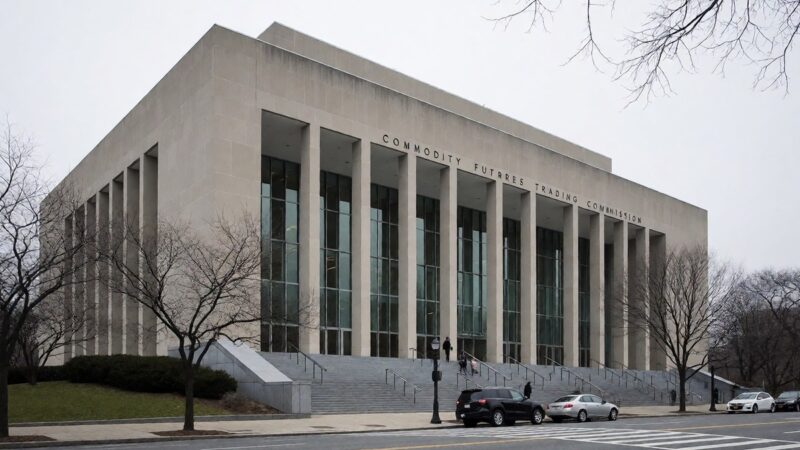
The CFTC approved applications from Backpack and tZERO to establish regulated derivatives exchanges and clearinghouses that use blockchain technology to execute and settle transactions. Backpack announced its approval from the CFTC on Monday. Mark Wetjen, the US President of Backpack, called the approvals a "really big deal." He stated that this achievement demonstrates that the "highest standards of regulatory compliance and blockchain innovation can go hand in hand." tZERO received its exchange approval last week, following its earlier approval from the agency to operate a derivatives clearing organization. This allows the firm to "support derivatives trading and clearing through its own regulated entities." tZERO says these approvals establish a "unique new derivatives market infrastructure vertical" within its growing Infrastructure-as-a-Service (IaaS) business, which enables the company to develop exchange and clearing services for various financial institutions and other market participants.
On Monday, Michael Selig pointed to the approval of a blockchain-based derivatives exchange and clearinghouse, which appears to correspond to the new Backpack approvals. Selig said these approvals "mark an important milestone in the evolution of American financial markets and demonstrate that there is a regulated pathway for a new generation of market infrastructure built using blockchain technology." These approvals arrive as Selig manages the agency alone for now.
Oversight and new commissioners
Michael Selig, who is the CFTC’s sole sitting commissioner, noted that these newly approved applications show a "regulated pathway" for market infrastructure built with blockchain technology. Over the past year, Selig has worked with the Securities and Exchange Commission to clarify which digital assets are securities or commodities, created an innovation task force, and supported 24/7 trading and bitcoin perpetuals. Last week, President Donald Trump tapped Nathan Anonick and Matthew Rowland to be commissioners at the CFTC agency. The Senate Agriculture Committee will hold its nomination hearing for this bipartisan pair on Tuesday afternoon, after which their nominations could head to a full Senate confirmation vote. I find the regulatory environment brittle since Selig must manage these complex approvals as the sole sitting commissioner while the agency waits for the Senate to confirm new members.