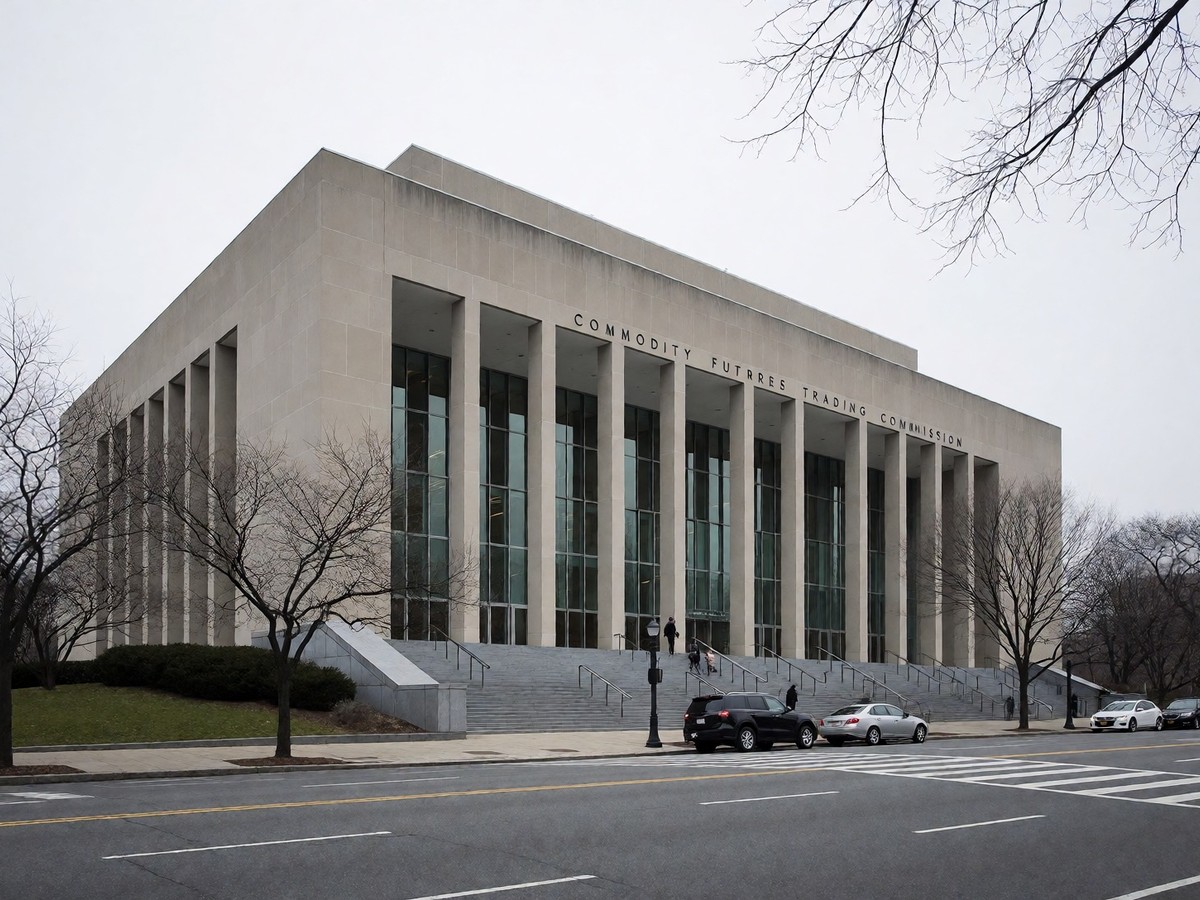
Commodity Futures Trading Commission Chair Michael Selig criticized state actions against prediction market platforms during the Cantor Convergence conference. He called the lawsuits "really egregious" and defended the platforms that operate under the CFTC’s "exclusive jurisdiction."
Aggressive state litigation
Selig claims states bring criminal charges to try to "lock up" founders and CEOs of companies offering products under a federal regime. This tension follows battles between the CFTC and roughly a dozen states and cities over whether event contracts on platforms like Kalshi and Polymarket constitute illegal gambling. Selig argued that disagreements regarding whether a product is "gambling" or a "derivative" should not result in prison time. I find his frustration with these localized legal battles completely justified.
The Justice Department and CFTC sued Arkansas Attorney General Tim Griffin on Thursday to block his action against Kalshi. Louisiana also filed a lawsuit on Thursday targeting companies including Kalshi, Polymarket, Robinhood and Coinbase. Selig wants to take the issue to the Supreme Court to solidify authority instead of fighting case-by-case in different states. He asked if every major CEO of an exchange will end up in a jail cell in Utah or if the court can hash the matter out on the merits.
Jurisdictional disputes
"I am concerned that some of the states are getting very aggressive," Selig said. He stated that the CFTC will continue to defend its jurisdiction. The current legal friction involves several entities:
| Entity | Legal Action Status |
|---|---|
| Kalshi | Sued by Arkansas; contested by DOJ/CFTC |
| Polymarket | Targeted by Louisiana lawsuit |
| Robinhood | Targeted by Louisiana lawsuit |
| Coinbase | Targeted by Louisiana lawsuit |