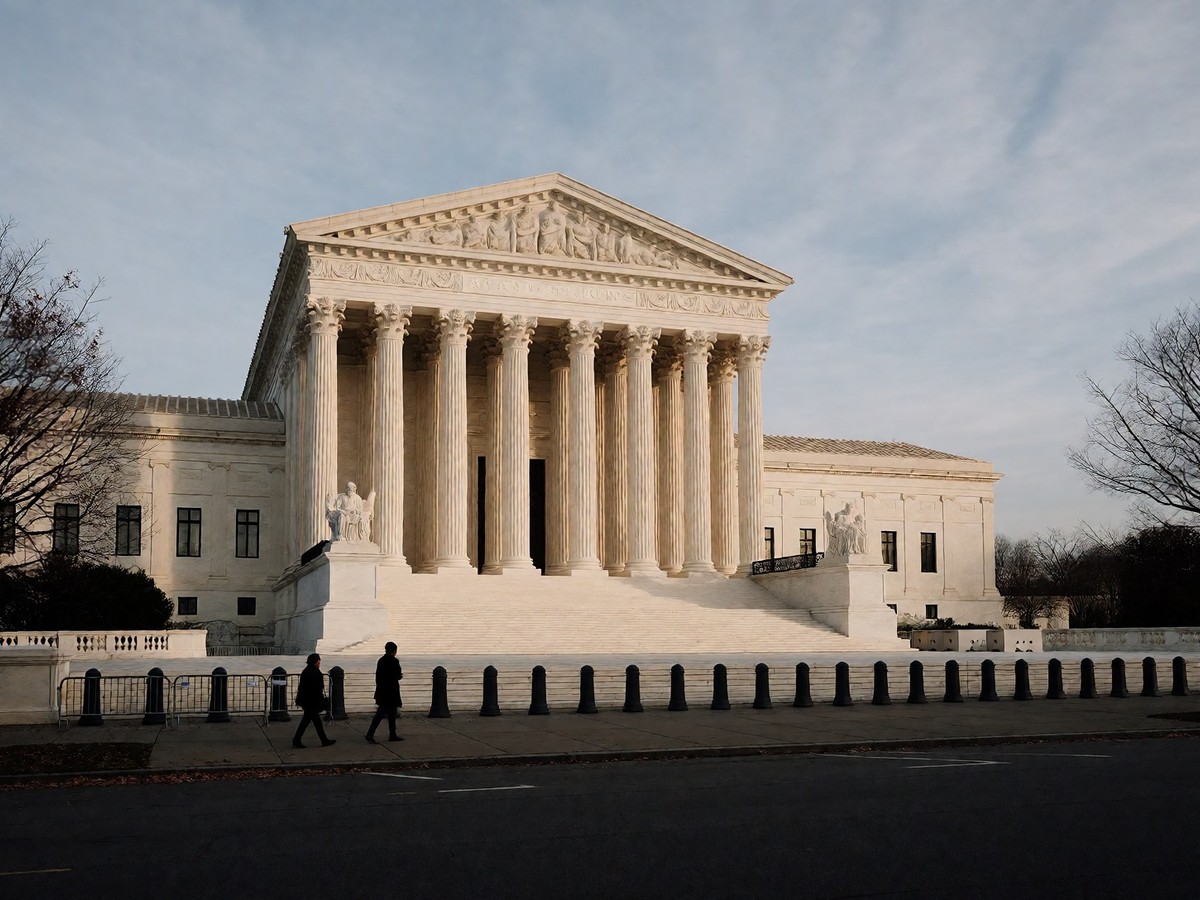
Robinhood, Kalshi, and Crypto.com await a Supreme Court decision regarding whether their sports contracts qualify for exemption from federal wagering tax. These companies currently do not collect wagering tax from their prediction markets.
Legal battles over event contracts
Robinhood asked the Supreme Court on September 10 to review its Ninth Circuit loss to Nevada’s gambling commission. Crypto.com’s derivatives arm followed on September 11 regarding its own Nevada loss, while New Jersey filed a petition to the Supreme Court on September 2 to appeal Kalshi’s Third Circuit win. Responses in all three cases are due on December 7. While the Justices have not published a winter schedule, substantive opinions often arrive during December and January.
Robinhood disclosed in an October 28 quarterly report that it has "not collected or remitted federal excise tax on event contracts." The company warned that an unfavorable ruling could be material and make event contracts "uneconomical." Robinhood reported $173 million in event contracts revenue last quarter, which is more than six times its haul from a year earlier. During that period, customers traded 16.4 billion contracts priced between $0.01 and $0.99.
| Entity | Action/Status |
|---|---|
| Robinhood | Reported $173 million in event contract revenue |
| Kalshi | Won in Third Circuit; New Jersey petitioned Supreme Court |
| Crypto.com | Filed petition on September 11 |
Tax definitions and regulatory disputes
The federal tax code defines a taxable wager as a sports or event bet placed with a person engaged in accepting such wagers. Prediction market operators argue they operate a marketplace where participants trade with one another rather than against the house. On October 5, researchers at New York University’s Tax Law Center concluded that sports event contracts appear to be "wagers" and "wagering" subject to federal tax rules. This includes a 0.25% excise tax under section 4401 of the Internal Revenue Code.