London’s role in blockchain
Boris Johnson told a Solana Breakpoint panel in London that London should lead in blockchain development and asset tokenization. He spoke on a panel titled "Crypto Is Key to the UK’s Economic Future," which Gareth Jenkinson of The Block moderated. He expressed skepticism regarding Bitcoin, asking who guarantees the cryptocurrency and who remains in charge of the network. He recalled a March Daily Mail column where he called Bitcoin a "giant Ponzi scheme." He maintains that his "Luddite anxiety" about crypto does not mean he wants to slow the development of blockchain technology. I find his distinction between blockchain and Bitcoin to be a convenient way to pivot from his previous criticisms.
Skepticism over Bitcoin
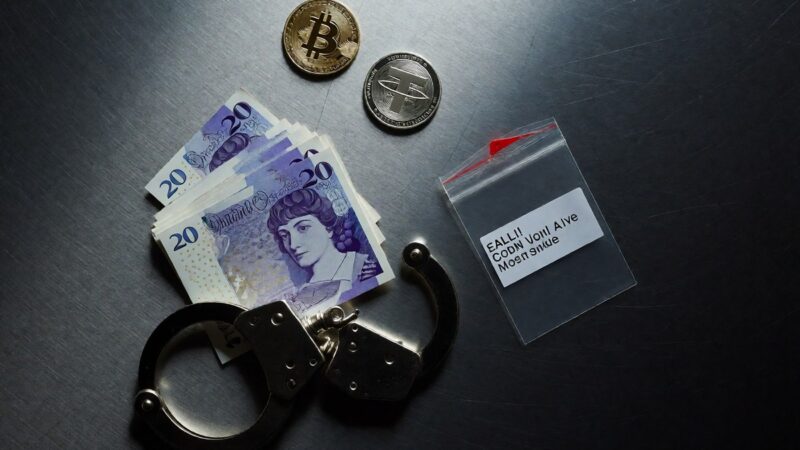
Johnson admitted he is "not a great crypto buff" and holds little cryptocurrency himself. His doubts stem from a man he met in an Oxfordshire village who lost £20,000 ($26,380) after an initial £500 ($660) investment. This man handed over the initial sum to someone who promised to double his money, a situation Johnson described as a "search for the greater fool." During the panel, Johnson mangled the name of Bitcoin’s creator, referring to the figure as "Yakimoto Nakasori." He noted that "nobody knows who’s in charge, apart from [Satoshi Nakamoto], and I don’t know where to find him." He also questioned the term "crypto" because the Greek root implies something "hidden." He expressed concern regarding the lack of accountability, stating, "If six billion got stolen from some cryptocurrency, I wouldn’t know who to apply to, or how to get the money back." The skepticism Johnson feels regarding Bitcoin is rooted in the experience of a man in his Oxfordshire village who lost £20,000 after an initial £500 investment, a situation where the victim kept paying fees in the hope of recovering his lost funds. Michael Saylor, the executive chairman of Strategy, pushed back against Johnson’s March column by tweeting that Bitcoin has no issuer, promoter, or guaranteed return. Moderator Gareth Jenkinson of The Block pushed back after Johnson suggested Bitcoin serves drug dealers, arguing that blockchains are far more traceable than cash.
Regulation and the UK market
Lord Ross Kempsell, a Conservative peer and former aide to Johnson, said the UK crypto industry has room to grow under regulation. He noted that more than 8% of UK adults hold some form of crypto asset, a figure that fell from 12% in 2024 according to Financial Conduct Authority research from August and September 2025. Kempsell is interested in the institutional adoption of blockchain and said traditional financial firms in the City of London increasingly use networks such as Solana as regulation advances.
| Feature | Detail |
|---|---|
| FCA application window close | Feb. 28, 2027 |
| New crypto regime start date | Oct. 25, 2027 |
| Systemic sterling stablecoin issuance cap | £40 billion ($52.8 billion) |
The Financial Conduct Authority began taking applications for authorization under the UK’s new crypto regime in September. This regime covers activities like operating crypto exchanges, holding crypto for customers, arranging staking, and issuing qualifying stablecoins. The initial application window closes Feb. 28, 2027, and the full regime starts Oct. 25, 2027. The Bank of England revised its stablecoin proposal in June to drop caps on customer holdings. Instead, the Bank set a temporary £40 billion ($52.8 billion) issuance cap for each systemic sterling stablecoin. The Bank also has a legal duty to foster stablecoin innovation and shares a vision for tokenization with the FCA. Kempsell argued that being outside the EU’s Markets in Crypto-Assets (MiCA) regulation allows the UK to set its own rules. The reduction in crypto ownership from 12% in 2024 to 8% in 2025 is a blunt indicator of declining consumer interest, though ownership remains double the 2021 level. The EU plans to revise MiCA in 2027 to cover foreign stablecoin issuers.