Brutal shifts in hacking
Diogo Monica, co-founder of Anchorage Digital, warns the next 12 months will be "absolutely brutal" for crypto security, describing the upcoming period as "a slaughterhouse." I find his assessment follows a rapid shift where AI systems transitioned from finding vulnerabilities to building full exploits and executing every step of an attack autonomously over the last three to six months. Michael Coates, the chief information security officer at the Solana Foundation, says AI "dramatically lowered the cost and the barrier to hacking." North Korea remains the primary threat, as Coates reports more than $7.5 billion in crypto has been stolen this year, including $6 billion in a single breach involving Binance last month. The FBI blames North Korea for the Binance theft, which involved a developer downloading poisoned software from a sponsored search result and an engineer downloading software during a fake job interview. These North Korean operatives have stolen $400 million using deepfake calls alone, and they often use people in the U.S. to take jobs to gain network access. When North Korean operatives cannot get hired directly, they use people in the U.S. to take jobs and then connect remote keyboards and mice so attackers can access the company’s network. The U.S. Treasury recently sanctioned 11 people over one such North Korean IT worker scheme.
Defensive protocols
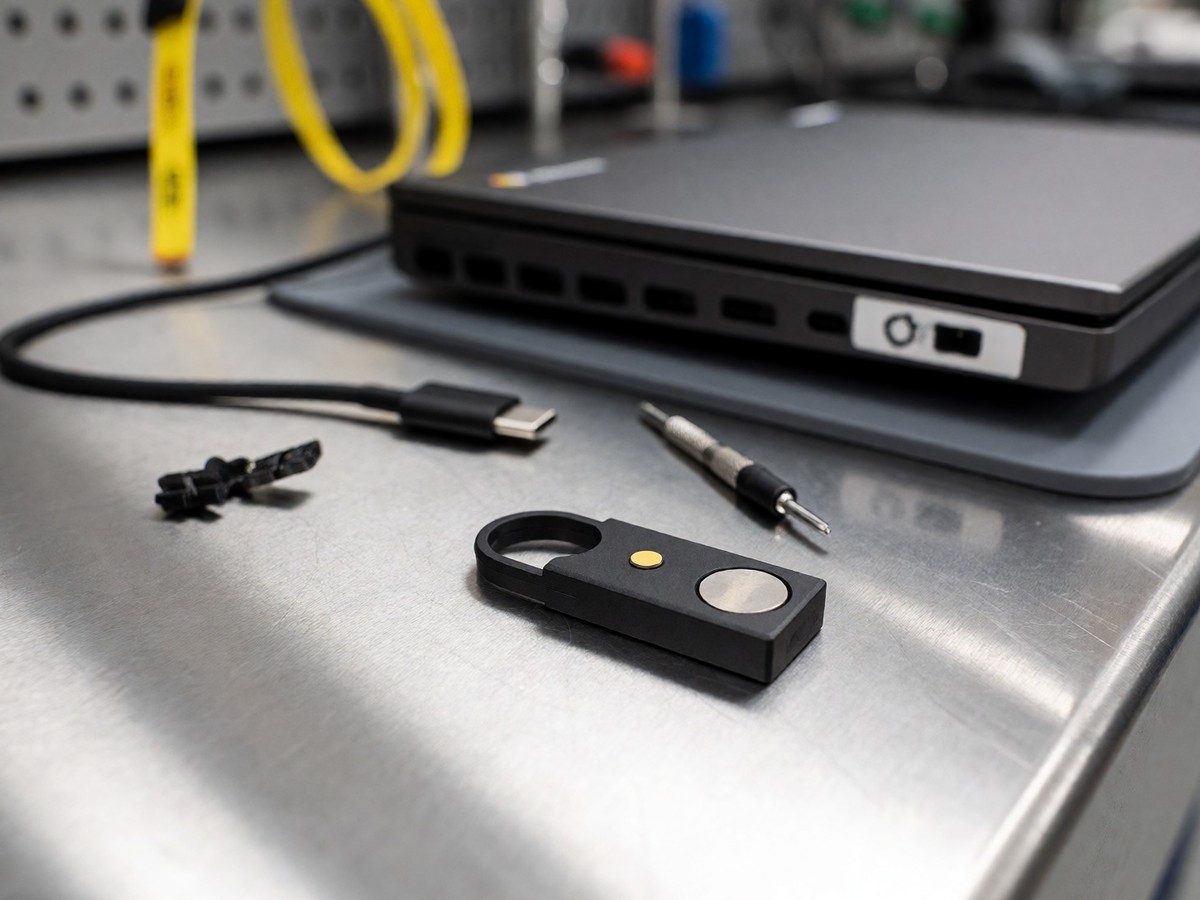
I see that defensive strategies must focus on basic hygiene to prevent attackers from pivoting toward signing services. Coates advises teams to protect keys using hardware security keys and properly configured multisig wallets with plans for rotation of keys. He warns that attackers move through basic entry points to steal keys and release their fury. Anchorage Digital addresses this by having new staff onboard in person at its U.S. office and using locked-down Chromebooks for all employees. This method removes 90% to 95% of its corporate attack surface.
The Solana Foundation uses a framework called STRIDE, which contains 18 core controls tailored for crypto. More than 74% of DeFi’s total value locked on Solana, including 10 of the top 11 protocols, has gone through this framework. The foundation also uses AI to reverse-engineer newly launched programs to find flaws, a practice that prevented more than $5 million in potential losses in the past month. Monica warns that connecting email inboxes to AI agents invites prompt injection attacks.