Federal Reserve Chair Kevin Warsh will lead a November 16 forum in San Francisco to examine how artificial intelligence affects inflation, productivity, and employment. Warsh previously acknowledged in August that AI represents "a new variable" for monetary policy. While Warsh argued AI could help companies produce more goods at lower costs to ease inflation, other officials disagree. Fed Governor Lisa Cook warned in September that AI investment adds inflationary pressure and delays the return to the 2% inflation target.
Economic shifts and crypto volatility
The AI boom creates competition for electricity, computer chips, construction materials, and skilled workers, which drives prices higher. This spending could keep interest rates elevated, creating a dilemma for the Fed. High rates make government bonds more attractive than risky assets like Bitcoin. Bitcoin dropped below $69,000 on Friday as stronger-than-expected inflation figures fueled concerns about another Fed rate hike.
| Entity | Action or Impact |
|---|---|
| Hyperscale Data | Shut down Michigan mining facility in September |
| Coreweave | Facing competition for power and infrastructure |
| Fed Governor Michael Barr | Warned of "serious short-term disruptions" from AI |
Energy competition hits miners
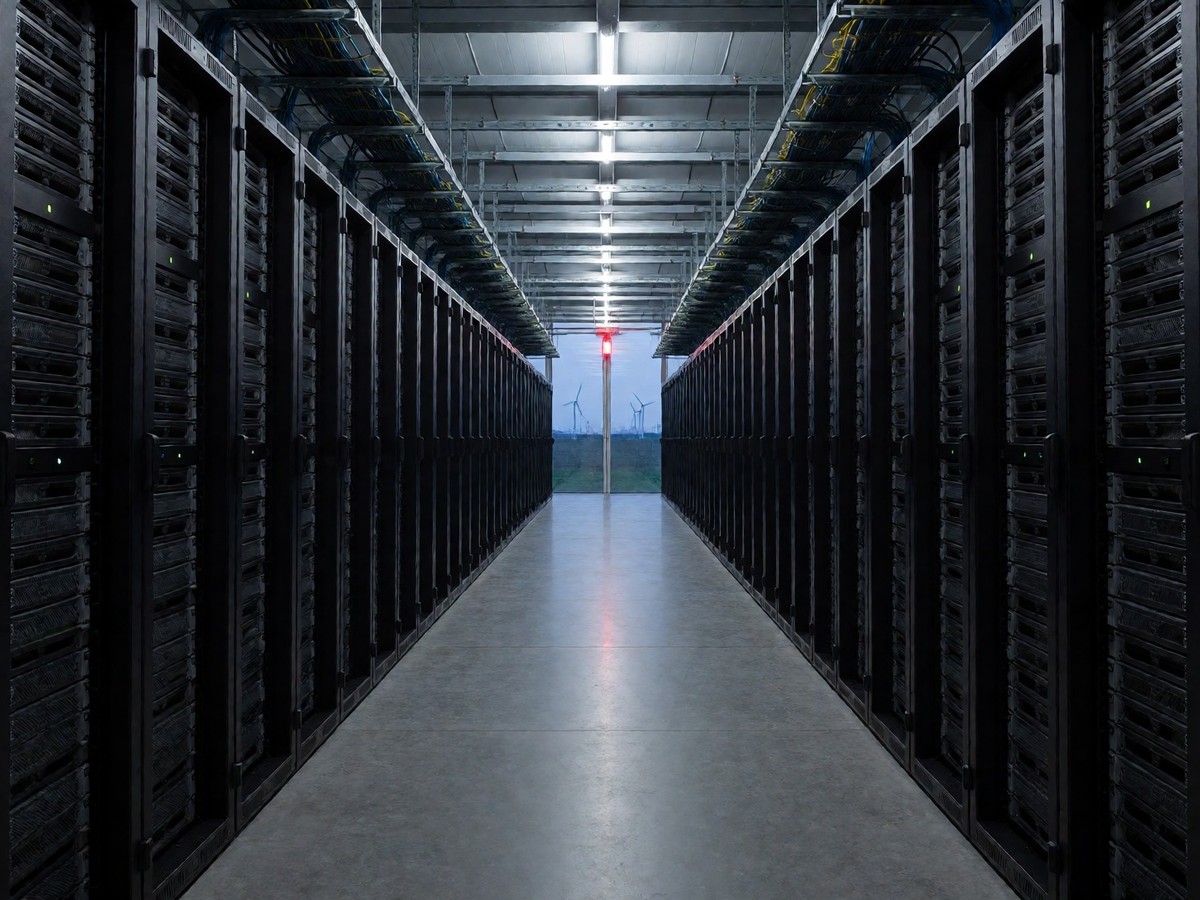
AI data centers and Bitcoin mining operations both require massive amounts of electricity. As technology companies compete for power, miners face pressure to find affordable energy. Hyperscale Data shut down its Michigan mining operations in September to accommodate an AI customer under a deal worth potentially more than $1.2 billion. Other firms like Coreweave and former Ethereum miners also face these pressures. Widespread job losses from AI could weaken consumer spending and force the Fed to cut rates, but a deteriorating economy might also push investors away from Bitcoin to reduce risk.