Massive project investments in restricted hardware
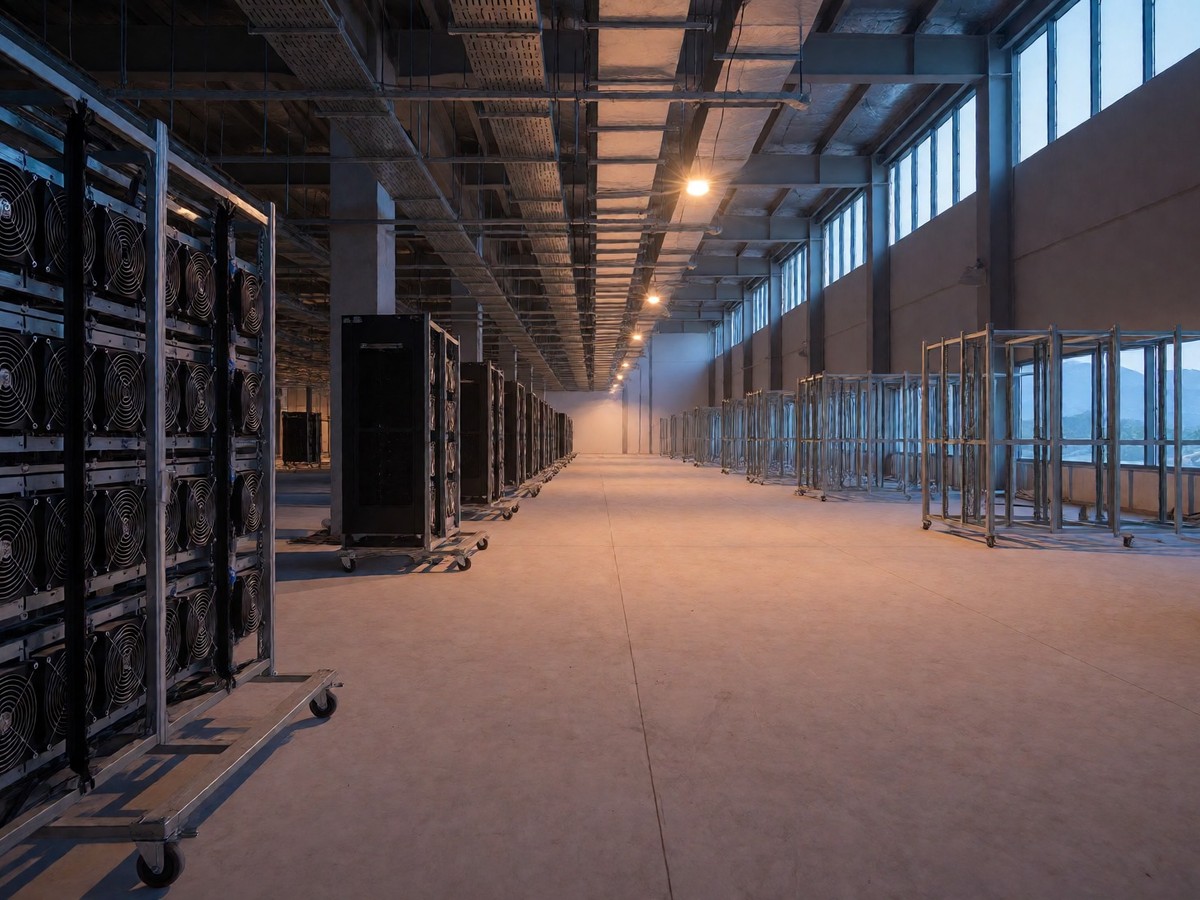
I see a clear intention to build massive AI infrastructure around Nvidia processors that Washington restricts. A Reuters investigation of more than 150 procurement notices, investment plans, and corporate records identified Chinese AI projects worth over 23 billion yuan ($3.2 billion) that specify Nvidia chips subject to US export controls. These figures cover total project investment, including buildings, electricity, and other infrastructure, rather than confirmed chip shipments or purchases. I find the reliance on restricted hardware in these plans quite stark. One proposed computing center in Fujian province carries a value of 6.2 billion yuan ($873 million) and specifies H100 servers while it still seeks financing partners. In Shaanxi, a state-owned engineering group won a contract for a 3 billion yuan center that names H100 and H200 chips, which provide the computing power used to train and run advanced AI models. A 2.26 billion yuan project in Jilin proposes combining Nvidia hardware with Chinese processors. Inner Mongolia has a project with 625 H200 servers. In Wuxi, an H800 cluster began operating in March 2025.
Market dominance and US export hurdles
The difficulty of switching hardware remains high because Nvidia’s software makes moving to rival systems expensive. An IDC report cited by Reuters estimated Nvidia accounted for 34% of China’s AI accelerator shipments in the first half of 2026, while Huawei held 28% of the broader chip market. Although Chinese developer Z.AI released an image-generation model trained entirely on Huawei chips, Nvidia remains deeply embedded in local infrastructure plans. The US Commerce Department moved H200 export applications to case-by-case review in January 2026, but H100 shipments remain more tightly restricted. This creates a dilemma for Chinese developers who must design facilities around familiar Nvidia equipment they may struggle to acquire or invest in alternative processors that require software changes and additional engineering. The US began restricting advanced AI chip sales to China in 2022 because of national security concerns. I note that the total value of these projects includes buildings and electricity, meaning they do not establish that all the processors were obtained or that any export laws were broken.