Industry fractures and lobbying setbacks
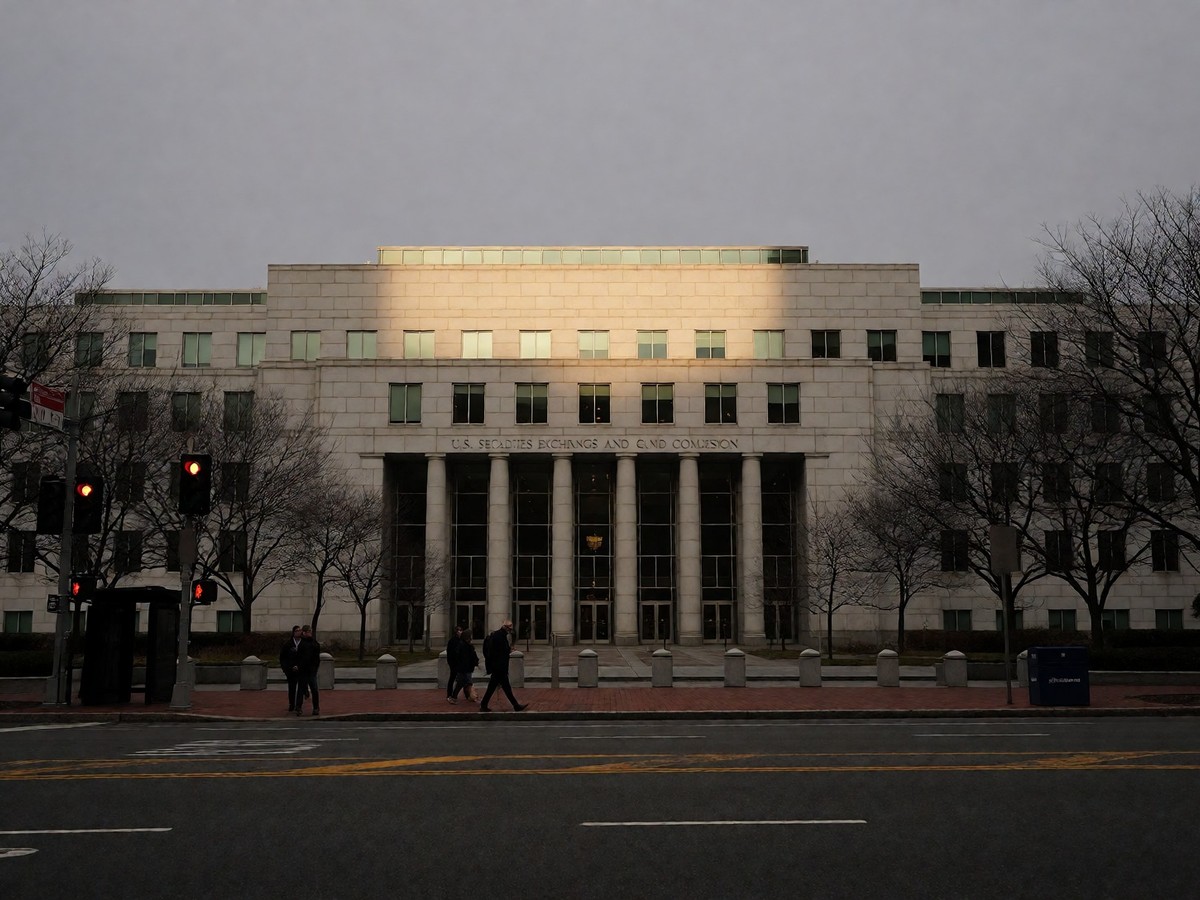
Ron Hammond, Wintermute’s head of policy and advocacy, told the Capital Crypto Forum on Thursday that the crypto industry must "clean" its house in Washington. He said the industry struggles to counter larger financial interests as tokenization brings crypto and traditional finance into direct competition. Hammond noted that industry fractures mean the sector is either not united enough or simply fails when going up against a larger force. This follows the Securities and Exchange Commission introducing a five-year innovation exemption in September to allow trading of tokenized U.S. stocks. Hammond believes the policy is "really limited" and does not do much good for firms like Wintermute because the limits are strong. Because the policy is tailored in its final form, Hammond says the industry faces a struggle to match the influence of traditional finance giants. The industry’s political strategy is failing because of these ongoing setbacks.
Resistance to tokenization rules
Dozens of major companies, including JPMorgan, Goldman Sachs, Wells Fargo, and McDonald’s, have objected to third-party tokenized versions of their shares under the SEC exemption process. Four Democratic senators, including Angela Alsobrooks, Ruben Gallego, Mark Warner, and Catherine Cortez Masto, warned SEC Chair Paul Atkins that the exemption leaves gaps around know-your-customer and anti-money-laundering requirements for tokenized assets. Kristin Johnson, Trump’s Democratic pick for the commission, told a Senate Banking Committee hearing on Thursday that she would welcome a formal rulemaking process with public comment because people raised concerns about the rule. Hammond finds it weird that his firm partners with banks in New York while he lobbies against them in D.C. He said, "We partner with the banks all the time, but in D.C. we are against them on a lot of fronts." The industry also loses business to other jurisdictions as officials seek to attract digital-asset businesses. UK officials asked Hammond what they could do to get these firms back to the UK when Clarity failed. Hammond also criticized the choice of political allies in the industry, noting that some lawmakers who campaigned as pro-crypto later opposed tokenization. The industry’s lack of unity makes it easy for lawmakers to change their positions on tokenization.