Regulatory distinctions for event contracts
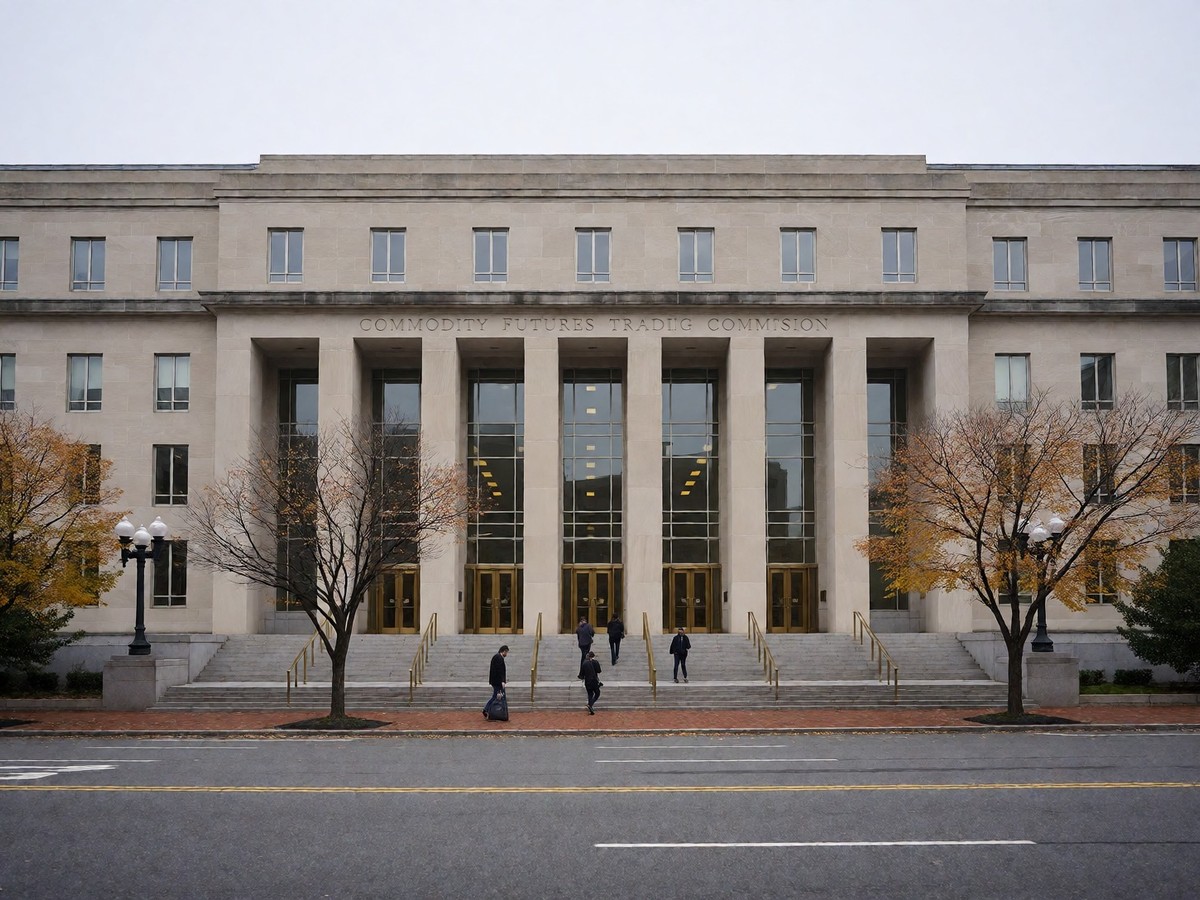
Coinbase filed comments last Wednesday supporting U.S. Commodity Futures Trading Commission proposals to include event contracts in the definition of a "swap" and exclude casino-style gambling products. These proposals, which the CFTC released last month as an interim final rule, provided a public comment period that ended on Nov. 18. Coinbase stated that event contracts covering sports, politics, culture, and weather qualify as swaps under the Commodity Exchange Act. Because the value and payment of these contracts depend on future events, they allow market participants to "hedge real economic risks." Coinbase argued that exchange-traded event contracts are distinct from sportsbooks because an event-contract exchange acts as a "neutral market operator" and does not choose prices or act as a counterparty to trades. Coinbase also noted that casino games and sportsbook wagers are neither tradable nor cleared and that Congress "never indicated" such products should fall within the definition of a swap. This distinction aims to resolve confusion created by state actions and conflicting judicial decisions in the prediction market space.
| Feature | Event Contract Detail |
|---|---|
| Included Categories | Sports, politics, culture, and weather |
| Comment Deadline | Nov. 18 |
| Market Role | Neutral market operator |
Legal battles over jurisdiction
Federal regulators and state authorities fight over which agency holds authority to regulate prediction market platforms. The CFTC maintains it has exclusive jurisdiction over prediction markets under the Commodity Exchange Act, but several states argue that certain event contracts violate state gambling laws. The CFTC and Justice Department sued Utah last month, and they filed lawsuits against Arkansas and Louisiana last week. The CFTC and the Department of Justice are actively litigating against states to protect their regulatory territory. These legal actions follow arguments from states that prediction market platforms operate outside state gambling laws. During a Thursday interview at The Hill and The Block’s Capitol Crypto Forum, CFTC Chairman Michael Selig said the CFTC would work with the Justice Department to defend its jurisdiction when states sue prediction market platforms. Selig stated, "If it’s a legal and lawful derivative, it should be regulated by the market regulator. It’s not something that goes to the state." States and tribes traditionally regulate casino games and sportsbook wagers.