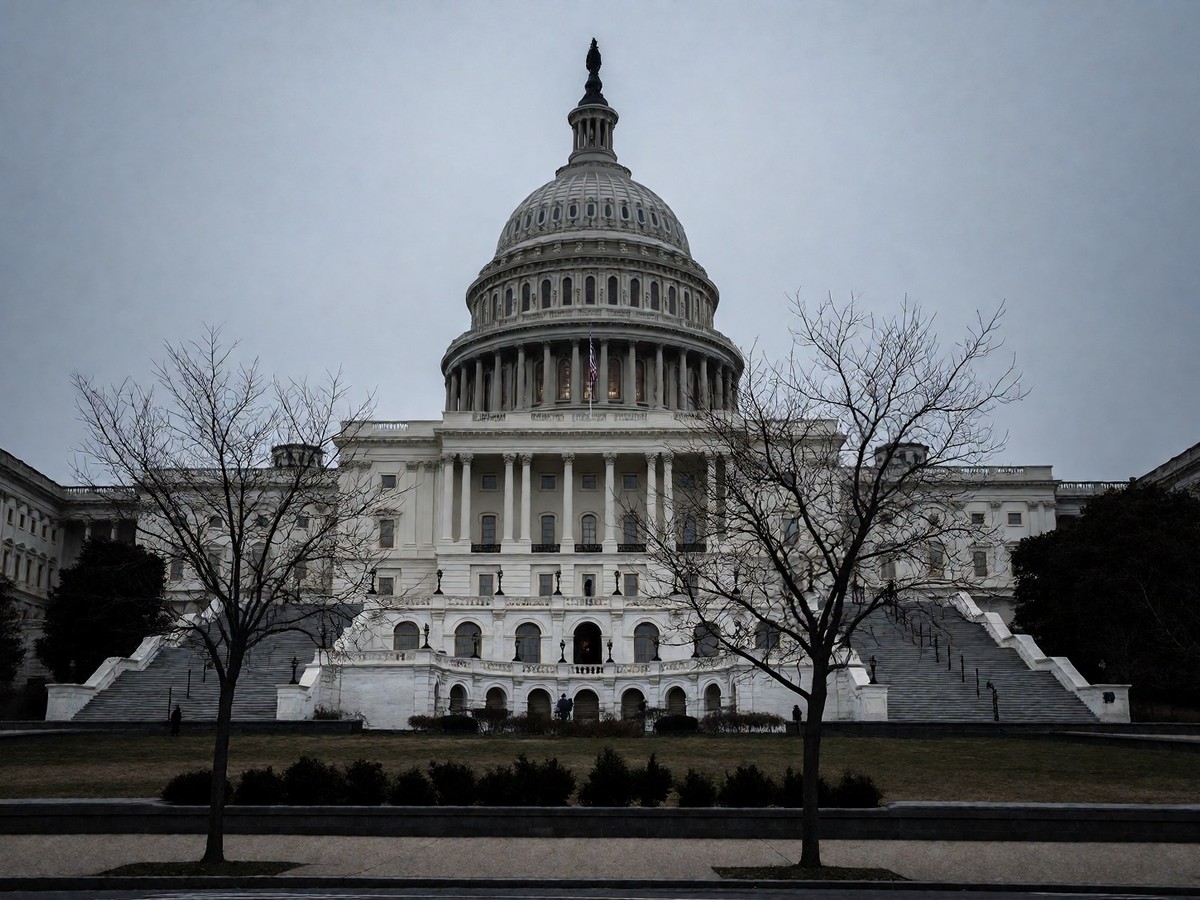
Patrick McHenry, former chair of the House Financial Services Committee, stated on Nov. 9 that he does not think it is possible to "pass an anti-crypto bill through the House." The incoming Congress takes over in January after Democrats won both chambers in the Nov. 3 midterms, securing at least 54 Senate seats with races in Mississippi and Alaska still uncalled. Sen. Elizabeth Warren is expected to chair the Senate Banking Committee, yet McHenry argues the new body is more pro-crypto than previous sessions. He noted that both parties now support crypto, making a legislative ban unlikely despite Warren’s renewed push against the industry.
Regulatory Gaps and Market Uncertainty
McHenry called repeal of the GENIUS Act stablecoin law unlikely, but warned that the wider market remains unsettled because Congress has not passed the Clarity Act on trading rules. Justin Slaughter of Paradigm said on Nov. 5 that this legislation looks dead. The CFTC Chair Michael Selig lacks authority over spot markets where tokens are bought and sold, so McHenry argued that power needs to be given to him legislatively to police the sector effectively. SEC Chair Paul Atkins can go very far on how crypto trades, but if a future president replaces these regulators to return to a Gensler era, only enough pro-crypto members of Congress can push back. This regulatory vacuum creates a clear risk for market stability if political winds shift away from current supportive leadership.
Credit Card Caps and Political Shifts
Asked about capping credit card interest, McHenry believes there are votes in the House and Senate to pass some version of a cap and the Credit Card Competition Act. President Donald Trump backed holding interest to 10% for a year in January 2026 and later supported the competition bill, which requires banks with over $100 billion in assets to offer merchants a choice of two unaffiliated card networks. One network cannot be Visa or Mastercard, forcing a change in payment infrastructure. Stablecoins are now where competition in payments is coming from, according to McHenry. He observed that the progressive politics Warren honed in the party doesn’t have the same power and import in the coming Congress as it did when Joe Biden took office. Some progressive policies still carry weight, but anti-crypto policies do not hold that power anymore.