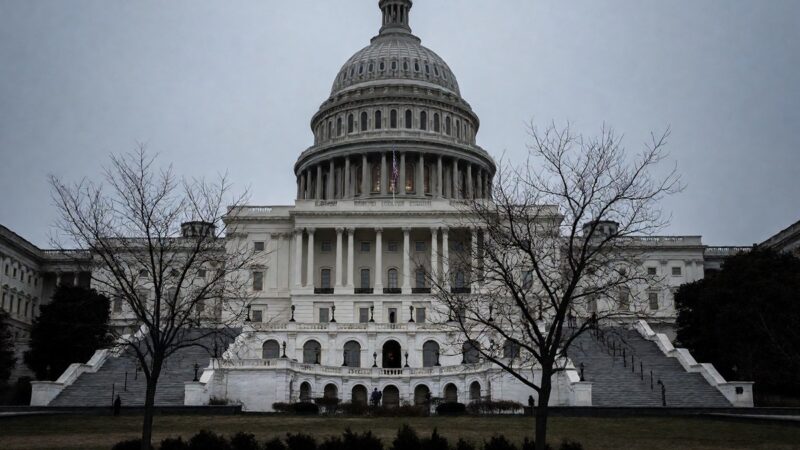
Nvidia shares plunged to $166.95 on Tuesday afternoon, erasing all 2026 gains and leaving the company down 18.42% for November. The selloff accelerated after House Foreign Affairs Committee Chairman Brian Mast threatened to subpoena CEO Jensen Huang unless he responded by Wednesday, November 11, to a request for a closed-door briefing. At that price, the stock sits roughly 10.5% below its end-of-2025 close of $186.50 and 31.4% below its recent peak of $243.37. This two-day decline is on track to wipe out more than $470 billion in market value, marking the worst month since September 2022 when shares lost 19.6%.
Congressional Pressure and Legal Battles
Mast and two other Republican committee chairs asked Huang to appear on November 18 to explain his interactions with Alice Huang, a former executive at Singapore-based chip buyer Megaspeed. They also want details about Nvidia’s safeguards against foreign espionage. No subpoena had been issued as of the report, but the threat hangs over the upcoming earnings call scheduled for November 17. The board opened an independent probe on Sunday, hiring former U.S. prosecutor Joon H Kim to examine whether national security secrets were compromised. Shareholders filed a proposed class-action lawsuit on Monday, alleging that Nvidia and Huang failed to disclose risks associated with the reported relationship.
The complaint targets four specific statements made by Nvidia spokesperson John Rizzo and Huang himself between October 2025 and last month. Plaintiff Mark Kistenmacher argues these claims were misleading because they ignored the alleged affair with Alice Huang, whom U.S. intelligence officials believe is a Chinese spy. Trump stated that Huang told him he had "absolutely no idea" the woman was a spy, while adding that the FBI is looking into the matter. China’s embassy dismissed the allegations as "groundless smears," yet the legal pressure continues to mount.
Corporate Governance and Market Reality
I find the governance angle particularly stark: it only takes six votes from the 11-member board to fire Huang as CEO. His beneficial ownership of 870.6 million shares is worth approximately $150 billion, so he remains a billionaire regardless of his employment status. Nvidia’s bylaws state that officers hold office at the pleasure of the board, allowing removal with or without cause. While Trump called Huang an "honorable guy," the trail of evidence regarding chip smuggling raises valid questions about termination grounds.
The scandal lands during a broader reassessment of the AI boom, with competitors like Google introducing new tensor processing units directly competing against Nvidia’s chips. OpenAI is reportedly considering buying these TPUs, though neither company has confirmed a purchase. Investors are questioning how long massive data center spending can continue, especially as Nvidia faces intensified competition. The Commerce Department received a classified memo warning about the relationship before Trump’s May trip to China, raising concerns about export approvals granted to Chinese entities.
| Metric | Value |
|---|---|
| Current Stock Price | $166.95 |
| November Decline | 18.42% |
| Market Value Lost (2 days) | >$470 billion |
| Board Size | 11 members |
| Votes Needed to Fire CEO | 6 |
The situation creates a precarious balance where technical indicators suggest the stock is still overbought despite the crash. Even a further 20% drop would be considered healthy in isolated analysis, staying above the 50-month average. Yet the combination of congressional scrutiny, shareholder lawsuits, and competitive threats makes any bounce uncertain. I would avoid holding the position until the November 18 briefing clarifies the extent of the security breach.