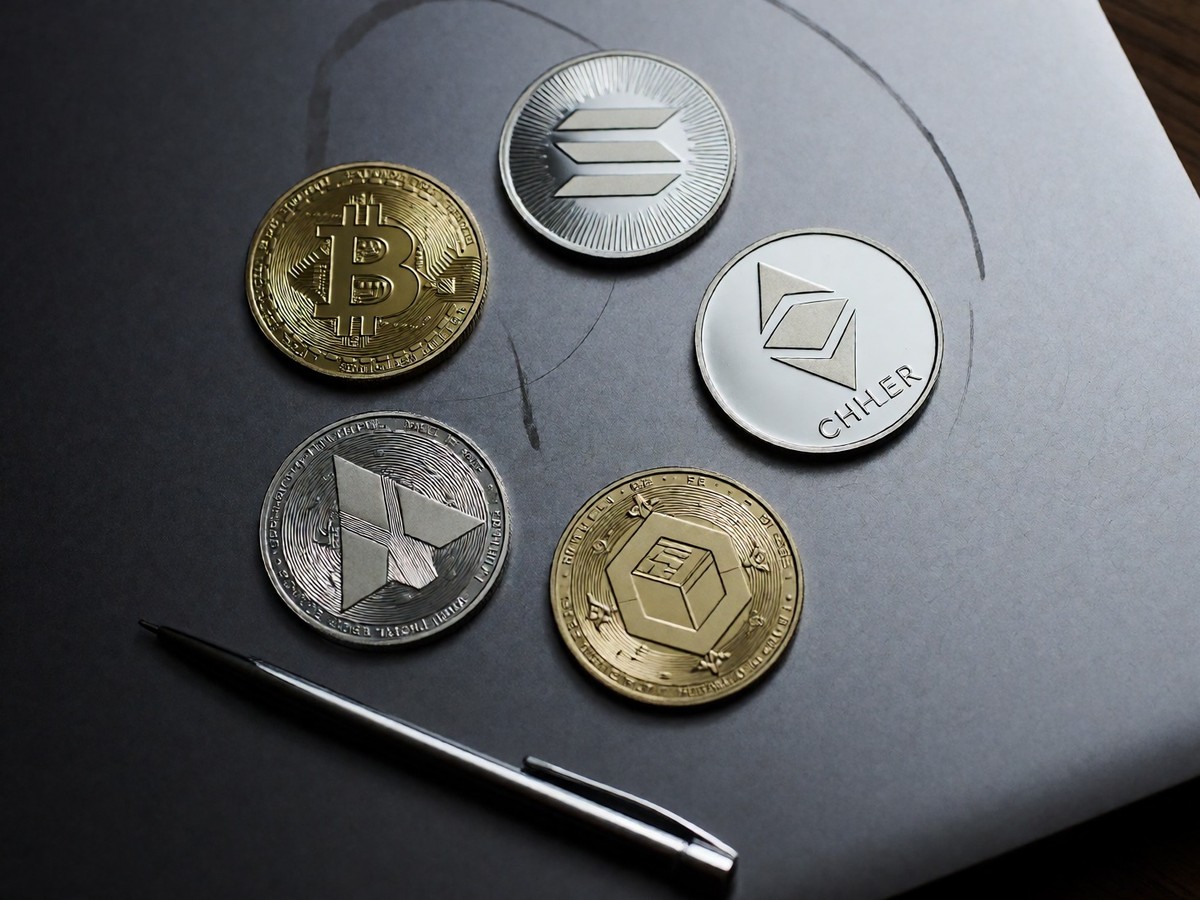
Schwab Crypto now lists five digital assets, including Solana, Avalanche, and Chainlink, roughly 11 weeks after the brokerage announced its intent to add them. The company opened the service to a first group of clients in May 2026 and reached all eligible retail clients in October. Each trade costs 75 basis points (0.75%) of its dollar value, and crypto sits in the same account view as stocks and funds across the website, mobile app, and thinkorswim platform.
Expansion Details
The rollout has been gradual, starting with two assets in the spring and adding three more about six months later. Joe Vietri, Schwab’s head of digital assets, stated that the firm continues to expand the service to give clients greater choice and flexibility in how they invest in digital assets alongside their broader investments. He emphasized that the focus remains on delivering the experience, value, education, and support clients expect from Schwab. The new listings are part of a plan to grow the offering with "established cryptocurrencies that align with client demand," though the release did not specify which assets could follow.
| Asset | Ticker | Status |
|---|---|---|
| Solana | SOL | Tradable |
| Avalanche | AVAX | Tradable |
| Chainlink | LINK | Tradable |
| Bitcoin | BTC | Tradable |
| Ether | ETH | Tradable |
Distribution and Risk
The primary draw is distribution power. With $13.33 trillion in client assets and 40.3 million active brokerage accounts as of September’s end, Schwab can put each new token in front of clients who already trade stocks and funds with it. However, the service is available in every U.S. state except New York and Louisiana, a carve-out listed in April and August disclosures. The same documents state that the crypto is not insured by the Federal Deposit Insurance Corporation or protected by the Securities Investor Protection Corporation. This lack of federal protection means investors bear the full risk of price volatility and potential loss without any safety net. Schwab intends to add more cryptocurrencies over time, but the specific timeline for future additions remains undefined in the current release.