MARA Holdings reported a third-quarter net profit of $634.4 million, a sharp increase from the $123.1 million recorded a year earlier. This financial surge occurred despite revenue falling 35% year over year to $164.2 million, down from $174.9 million in the prior quarter. The company generated nearly $885 million in fair-value gains on its digital assets and bitcoin receivables, which drove the bottom line. Mining revenue declined as block reward income fell 37%, creating a stark contrast between asset appreciation and operational earnings. I view this shift as a clear pivot away from pure mining toward holding power as a strategic asset.
Liquidating holdings to reduce debt
After the quarter ended, MARA sold 13,597 bitcoin for approximately $1.1 billion. The firm used $750 million of that cash to fully repay its bitcoin-collateralized loans. Since the beginning of the year, the company has reduced its total debt by 37% to $1.4 billion. This aggressive deleveraging strategy allows MARA to focus on securing customer leases and generating free cash flow. It leverages its energy portfolio and partnerships to extract greater value from its power assets rather than relying solely on hash rate expansion.
Shifting to AI infrastructure
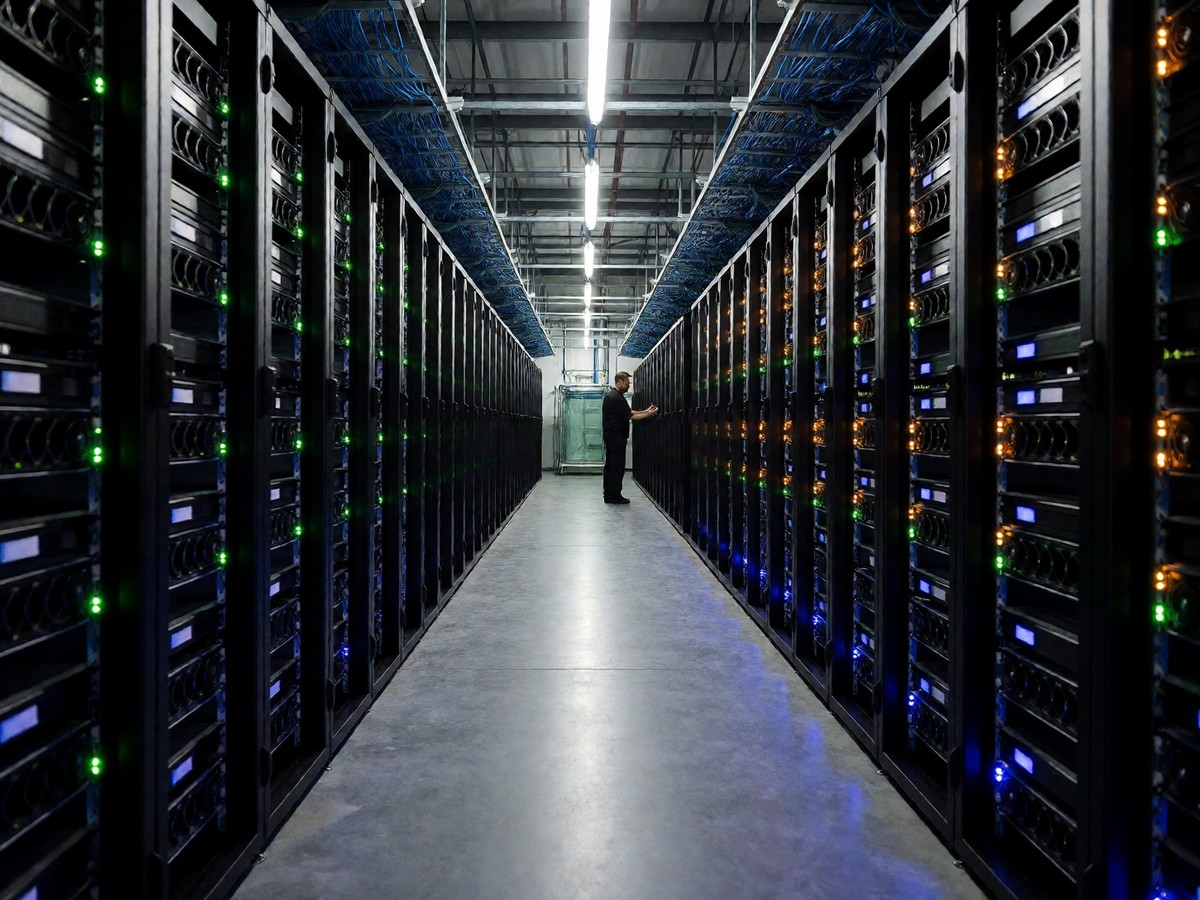
MARA is transitioning into an AI infrastructure provider by expanding its high-performance computing business. It currently ranks as the fifth-largest corporate bitcoin treasury, having been surpassed by Strive in recent months. CEO Fred Thiel wrote in the quarterly shareholder letter that "the opportunity is bigger than monetizing the megawatt." He emphasized increasing the value captured as the company moves from power to infrastructure to compute, and ultimately to fully integrated cloud solutions. Thiel concluded that the responsibility now is to execute with discipline and show the returns these assets can produce. The stock was little changed in after-hours trading after rising more than 4.5% in the regular session.