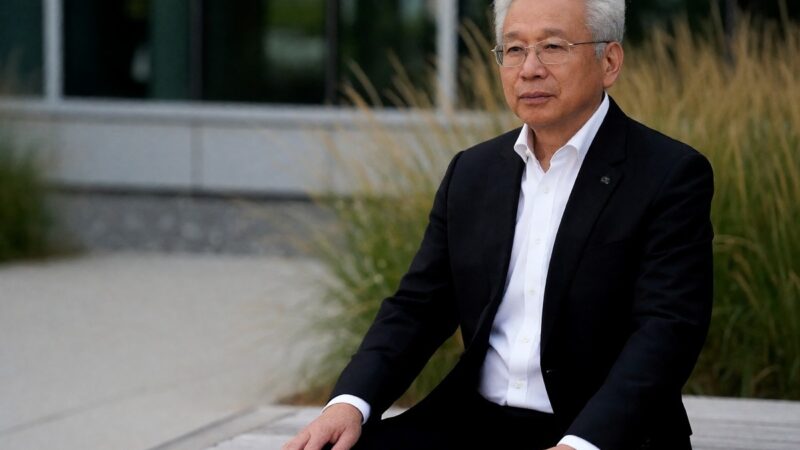
The MegaETH Foundation officially became MEGA on Tuesday, committing $30 million from its existing treasury to new products built on the network. The team is moving its engineers into AI inference, the computing process of running trained models to answer requests, with a public marketplace set to open in December. Co-founder Shuyao Kong stated that staying a chain-only company felt wrong and would have meant ignoring the biggest opportunity in front of them. MEGA is not turning into an AI company, but rather a crypto-native entity that has no equity and one token: $MEGA. The board will manage tokenomics updates, carry out programmatic buybacks, and invest further in product lines.
One Token, A Wider Mandate
Kong described the inference market as the project’s largest move, noting that developers are the target customers. The approach, called "Purified Intelligence," aims to make inference from different providers more interchangeable so suppliers can compete globally. A whitepaper by Yilong Li and Lei Yang argues that buyers often stick with pricier providers because they cannot verify if cheaper ones serve the advertised model or handle data safely. The paper proposes tools for model authenticity and privacy, along with tradable forward contracts for inference capacity. It points to Osaka’s 18th-century Dojima Rice Exchange as a precedent for this structure.
The plan ties MegaETH’s decentralization roadmap directly to the product deadline. The team is putting resources into four upgrades: fast finality, sequencer rotation, a speed-competition market, and real-time censorship resistance. They hope to finish decentralizing the network by the end of the first quarter of 2027. This push is necessary because the December launch requires pushing the chain further than it currently operates. MegaETH remains general-purpose and permissionless, with teams building on it continuing to receive technical support.
However, the financial context raises questions about value retention. The MEGA token went live in April and currently trades at around $0.05, down over 76% from its all-time high. Total value locked in the network sits at about $12 million, down from a peak of over $245 million. Despite raising more than $80 million across various rounds, including a $20 million seed led by Dragonfly, the asset has struggled. Kong noted that the team repurchased a 4.75% stake from pre-seed investors last year. She added that wherever there are ways to utilize the MEGA token, they will use them.
MEGA has not disclosed which specific models or providers the market will carry. Kong told The Block that details were intentionally held back until the December launch. She believes crypto is the only technology that makes AI fair and open. The gap between what providers charge for comparable inference can be dramatically reduced, according to co-founder Yilong Li. The team moved its strongest engineers onto this special project in early summer after its accelerator program wrapped.