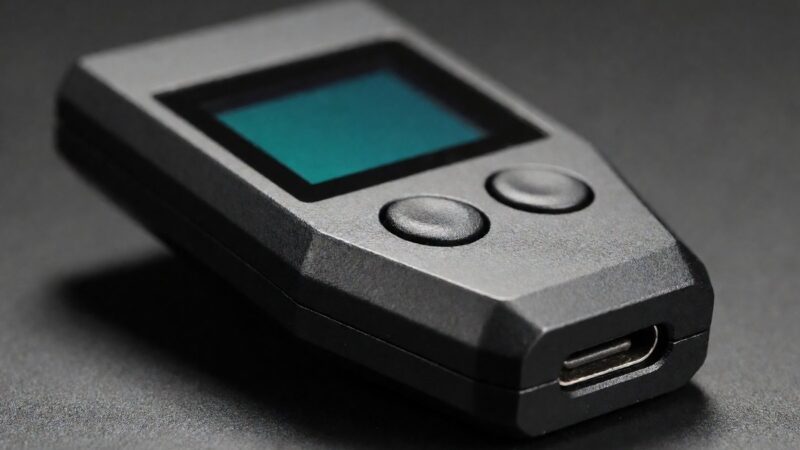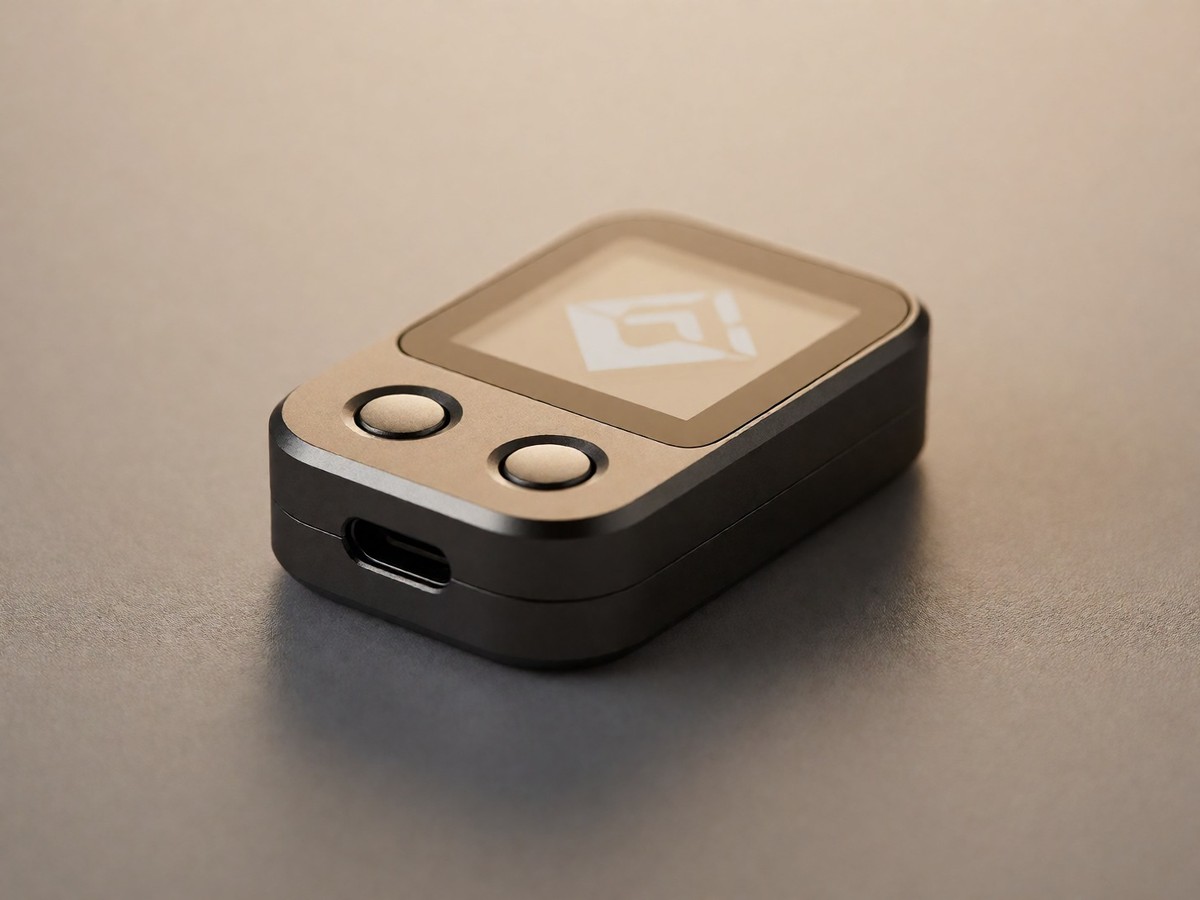
Foundation CEO Zach Herbert confirmed on October 22 that the Ethereum Foundation is launching the Universal Ethereum Signer on KeyOS, the operating system powering the Passport Prime device. The app was built by Nicolas Bacca, a Ledger co-founder who wrote the code after meeting the Foundation team at a European conference. Herbert described this as the first time the EF has collaborated on a "signing app to run on hardware wallet-like devices," though no public release exists yet. The project sits in a public GitHub repository under the Ethereum organization, where it is labeled a reference implementation for hardware signers. The repository explicitly warns that the code has not been audited and lists no active releases, meaning users cannot download a stable version through official channels right now.
Development and Security Architecture
Bacca started building the application independently without a formal sit-down with the EF to spec out requirements. He did not contact the company until he had already constructed a working prototype. For current access, users must sideload the signer from a computer or flash drive and manually trust the developer’s certificate. KeyOS isolates each app in its own sandbox and provides a hardened key derived from the user’s master key rather than the master seed itself. This architecture ensures a malicious app "cannot break out of its sandbox," according to Herbert. However, the lack of an audit represents a significant security gap for early adopters who rely on unverified code to manage their assets.
Distribution Plans and Recent Incidents
Foundation plans to launch an app catalog with a review process within one to two months, though no specific date has been announced. Organizations trusted by the community, including the EF, will ship updates and emergency patches directly to users, similar to how F-Droid operates on GrapheneOS. Later versions may add Clear Signing, a standard the EF introduced in May. Herbert estimated that Foundation has distributed over 250 of the 1,000 developer units set aside for testing. Days after the interview, attackers reached some backend systems and sent phishing emails to customers. The company stated on X that "Funds stored on Passport are safe and Passport hardware is not compromised." A full incident report will follow once the investigation concludes.