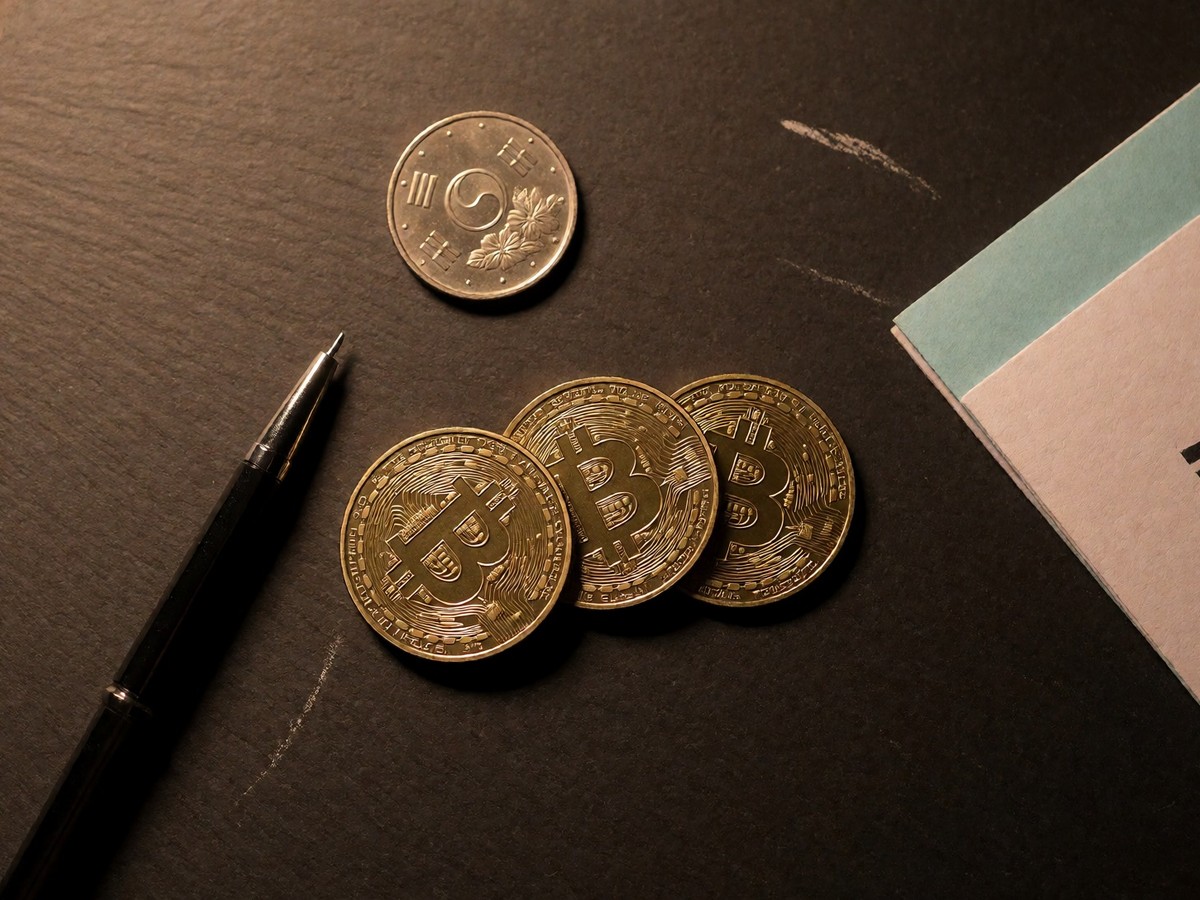
Reclaiming domestic token sales
I find the Financial Services Commission’s attempt to pull crypto fundraising back onshore to reclaim investment and jobs from offshore entities a logical move. The commission unveiled a draft bill on Tuesday called the Act on Digital Asset Industry Innovation and User Protection to reverse the September 2017 prohibition that regulators imposed because of fraud, speculation, and investor losses. The regulators concluded the nine-year ban never really worked, as it pushed Korean projects, such as the game developers Wemade and Netmarble, to use offshore entities for token sales instead of domestic ones. This move aims to pull crypto fundraising back onshore, create jobs, and fold token sales into a regulated framework. Issuers must file a "digital asset white paper" with the FSC before they sell tokens to the public to ensure transparency for investors. This document must detail the project, how the raised funds will be used, how many tokens the project will issue, and the risks involved. Issuers and their executives face civil damages, financial penalties, and possible criminal prosecution for false or omitted information. This liability regime follows the disclosure rules that govern stock offerings and token sales.
New market restrictions
The bill also reorganizes the market into regulated verticals, including exchanges, trading, brokerage, custody, and asset management. It also extends market-manipulation rules to include crypto-to-crypto trades across the entire market. I think the 20% ownership cap for single major shareholders is a strict limit, though the cap rises to 34% under certain conditions.
| Feature | Regulation |
|---|---|
| Won-backed stablecoin issuance | Consortiums with commercial bank majority |
| Single major exchange shareholder cap | 20% (up to 34% under certain conditions) |
| Market manipulation scope | Crypto-to-crypto trades |
The proposal restricts the issuance of Korean won-backed stablecoins to consortiums in which commercial banks must hold a majority stake. This shift brings South Korea, which is one of the world’s most active retail crypto markets, closer to the legal frameworks used in the U.S. for token fundraising. The National Assembly must approve the proposal before any of these changes take effect, leaving the final timeline and the final shape of the rules to be determined by lawmakers in the coming months.