

Linea Launches Dual-Token Burn to Reduce ETH and LINEA Supply
A New Deflationary Model for Layer 2
The Layer 2 network Linea has activated a new dual-token burn mechanism, a significant move in token economics designed to create deflationary pressure on both its native LINEA token and Ethereum’s ETH. Under the new system, a portion of every transaction fee is now permanently removed from circulation, aiming to deliver long-term value to both ecosystems.
How the Burn Mechanism Works
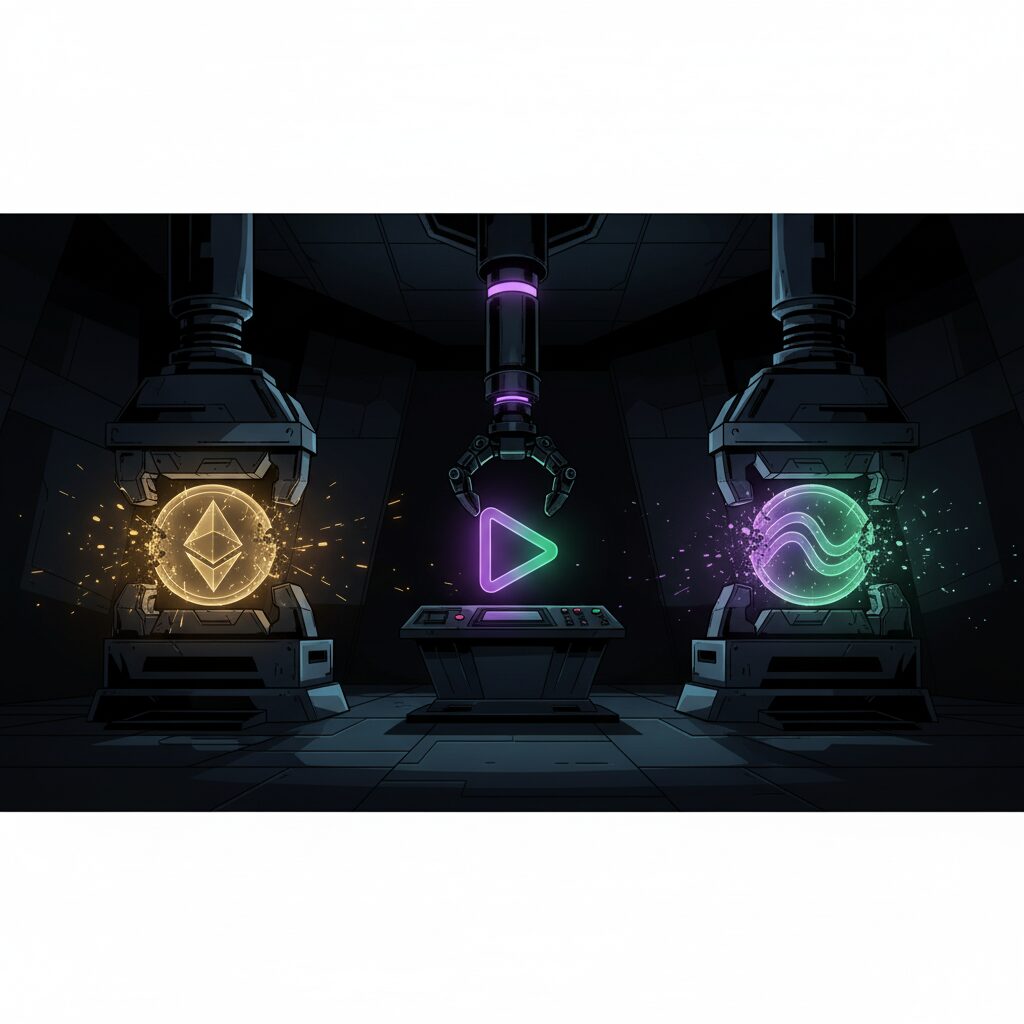
The process targets excess network fees generated from user transactions. After covering essential infrastructure costs, 100% of the remaining gas fees, paid in ETH, are put through a two-part burn process. First, 20% of the surplus ETH is directly burned, reducing the total supply of Ethereum. Second, the remaining 80% is used to purchase LINEA tokens on Layer 1, and these tokens are subsequently burned.
This model establishes a direct link between network activity and token scarcity. In a key decision, Linea has made the mechanism retroactive to its token generation event (TGE) on September 11, meaning all transaction fees collected since that date contribute to the burn totals.
Implications for Tokenomics and Transparency
From a token economics perspective, this system creates a self-reinforcing cycle of demand for LINEA. By constantly using a portion of fees to buy and burn its own token, the protocol establishes a consistent source of buy pressure. Simultaneously, the direct burning of ETH more deeply integrates Linea into the Ethereum economy, aligning its incentives with the base layer’s long-term health.
To ensure transparency, the project has launched tracking tools that allow users to monitor the total ETH and LINEA burned through live data and daily charts. The protocol also notes that gas fees will remain dynamic to manage network spam and ensure the system’s sustainability.
Setting a Precedent in the Layer 2 Space
Linea’s strategy comes as many Layer 2 networks seek sustainable value models beyond initial hype or metrics like total value locked (TVL). By implementing a deflationary structure that benefits both its own token and the underlying Ethereum asset, Linea is establishing a new benchmark for long-term economic alignment.
This move sets a competitive precedent, raising the question for other networks of how their tokens will retain value after initial farming incentives conclude. If successful, Linea’s model could inspire a broader shift in how token economics are designed across the Web3 landscape, focusing more on sustainable, deflationary systems.
Related Posts

Ethereum Staking Contract Now Controls 60% of All ETH, Arkham Data Shows

Ethereum Holds Near $3,400 as Market Eyes ETF Flows and Fusaka Upgrade

Subscribe to us and get the latest crypto news