Banking moves toward digital assets
I find the massive capital commitments to digital finance quite significant. Goldman Sachs, Citigroup, Banco Santander, and Deutsche Bank committed approximately $270 million to Project Faro, which targets a US dollar-backed stablecoin launch in the first half of 2027, and this funding covers the company’s first five years of operations. The BankChain Alliance, a group of 39 state banking associations, aims to launch a bank-operated network for tokenized deposits, stablecoins, and payments in 2027. Assets ranging from equities to commodities move on-chain. Stablecoins settle obligations behind the scenes in card networks. I view the expansion of tokenized deposits that mirror checking-account balances as a logical extension of existing financial tools.
Infrastructure risks and accountability
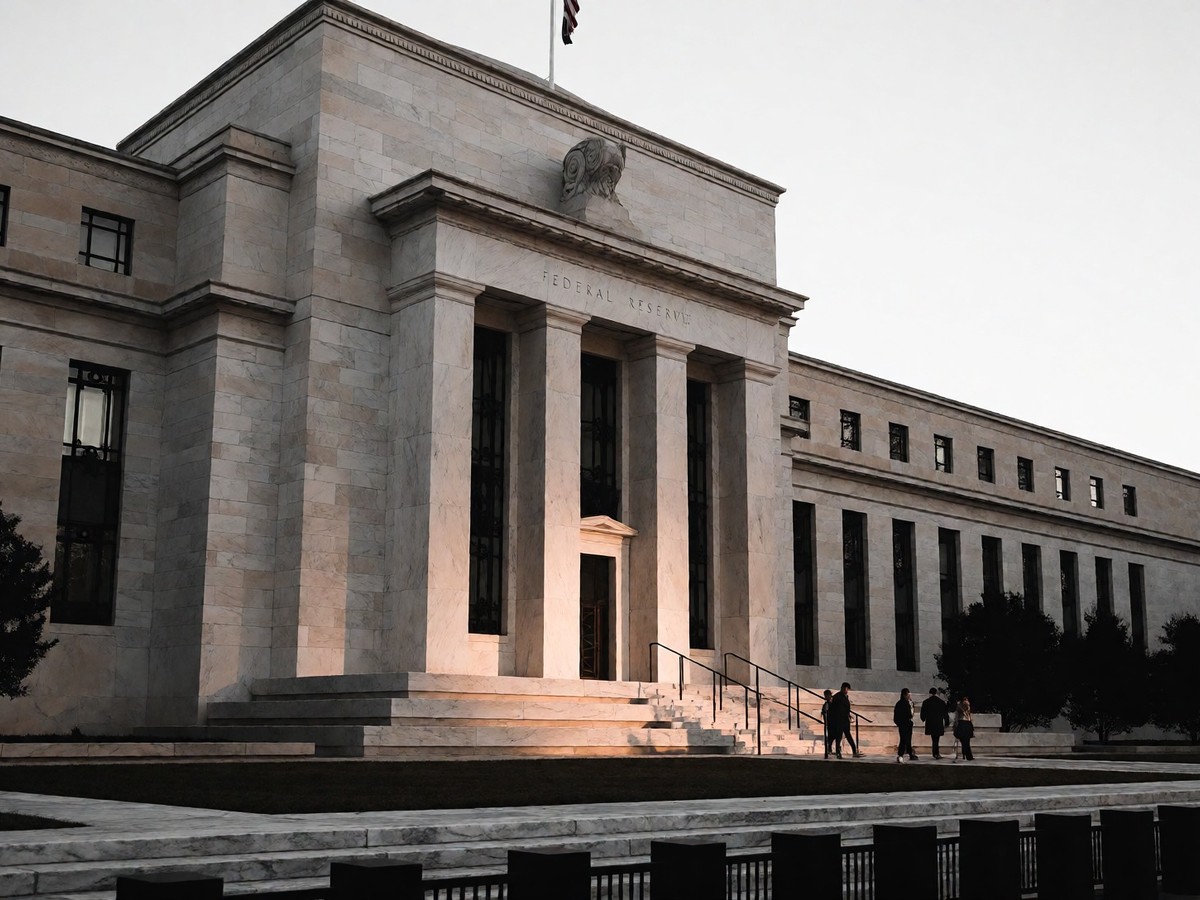
Federal Reserve Governor Christopher Waller warned on November 17 at The Clearing House Annual Conference that tokenized assets could become stranded on "zombie chains" if the underlying network fails. He defined "zombie chains" as blockchains with very little developer activity and daily use. I find his question regarding who should be held accountable if "fraudsters take advantage of the automatic execution of smart contracts" to be a blunt warning about the inadequacy of current automated governance. Waller noted that faster transactions do not eliminate risks around redemption, liquidity, and settlement. He also cautioned that instant settlement could strain liquidity by removing the benefits of netting, making working-capital efficiency more important than speed alone. Waller said regulators and market participants need clearer rules governing tokenized claims, settlement records, custody, insolvency, and the resolution of failed systems to prevent technical failures and fraud from creating broader problems for financial markets. Waller said digital money will complement traditional financial networks, adding that "central bank money need not be used in every transaction or on every platform, but its presence at the foundation of the system is essential." The Federal Reserve will support responsible innovation by engaging with industry and monitoring risks to financial stability. The Fed can also help bridge gaps when private markets cannot resolve challenges that fall within the central bank’s responsibilities, which includes providing core payment and settlement infrastructure on which all market participants can build.