

Bitcoin’s Decline Deepens as Crypto Markets Struggle to Recover From October Shock
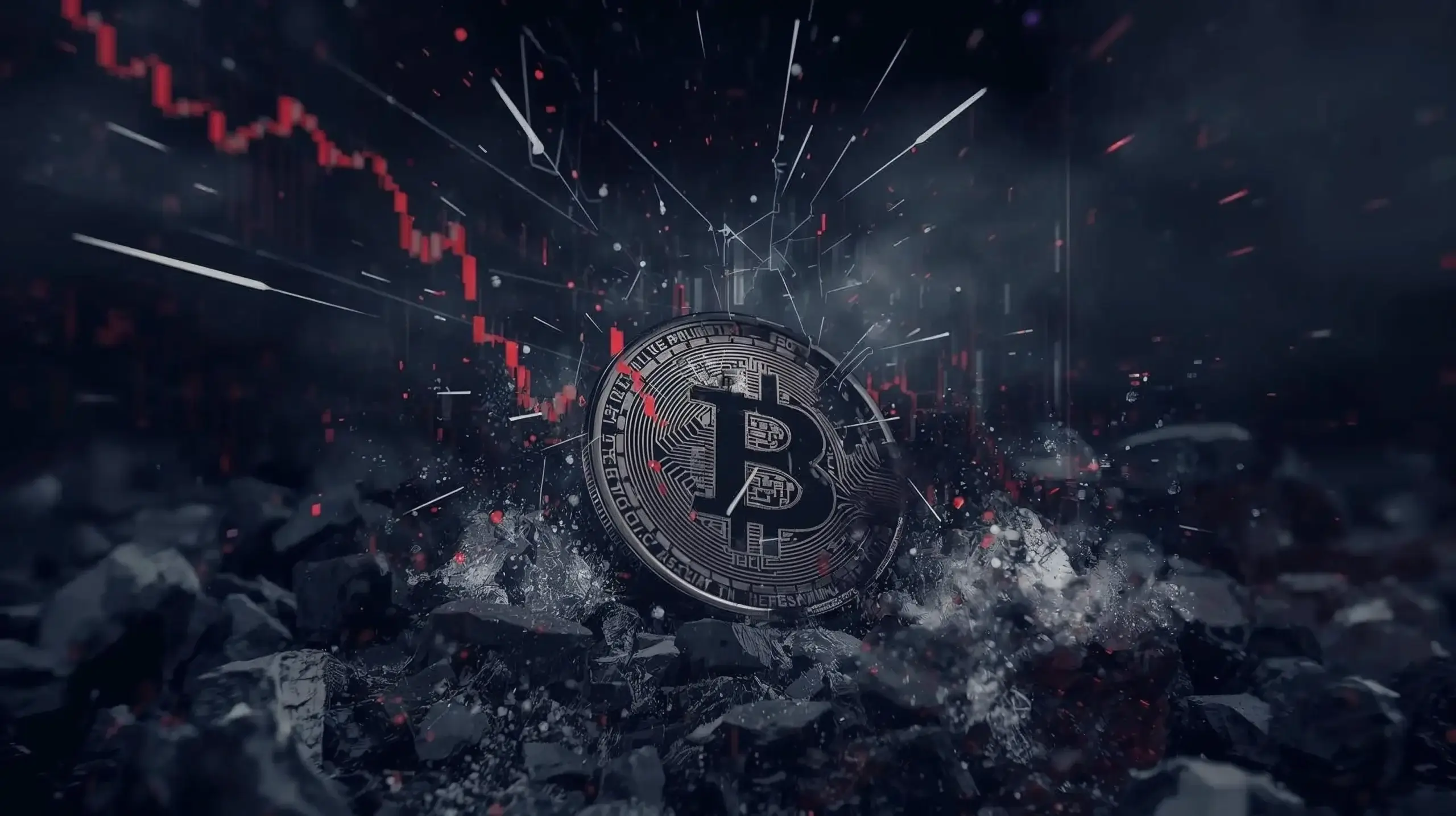
Bitcoin’s recent slide below the $100,000 mark has added fresh pressure to an already stressed crypto landscape. The latest decline reflects a broader wave of risk aversion sweeping through global markets.
Digital assets have been brutally hit.
According to data compiled by CoinGecko, more than $19 billion worth of leveraged positions have been liquidated during the ongoing selloff, erasing over $1 trillion from the total valuation of all cryptocurrencies. The market has yet to stabilize after the violent disruptions that occurred in early October.
The effects of that event, which many traders have come to refer to simply as the October 10th dislocation, continue to echo across the digital asset ecosystem. Volatility remains elevated, liquidity is thinner than usual, and many investors are waiting for more evident signs of recovery before returning to the market. To better understand the forces shaping this complex environment, Yahoo Finance invited John Wu, President of Ava Labs, to discuss his perspective on the current state of the industry.
Lingering Damage From October’s Market Shock
Wu explained that the market is still in a process of recovery, both psychologically and structurally. The sudden drop on October 10th rattled traders and triggered a cascade of forced selling. While that type of flush out is not unusual in the world of digital assets, the size and speed of the selloff created a deeper wound than previous shakeouts.
He noted that many market participants may be misinterpreting the event if they judge it in isolation. The October 10th crash was dramatic, but the buildup to it had been developing for months. According to Wu, the market has faced steady pressure stemming from a surge in new financial products that give investors access to cryptocurrency. The introduction of exchange-traded funds, the rise of companies issuing digital treasury products, and an increasing number of blockchain-related public offerings have all contributed to a swell of new supply.
These instruments have broadened the investor base, but they have also created more channels through which capital can flow into the asset class. In theory, this should support higher demand. In practice, however, the supply of tokens and securities linked to digital assets has grown faster than the appetite to buy them. As a result, markets have struggled to absorb the additional volume.
An Overcrowded Supply Pipeline
Wu described the recent evolution of the crypto space as a period defined by innovation, but also one marked by dilution. New tokens continue to launch at a rapid pace. There are also increasingly sophisticated structured products, new types of custodial services, and a growing number of companies connecting traditional finance with blockchains. When each of these offerings reaches the market, it competes for the same investor attention and the same pool of capital.
Unlike earlier stages of the crypto boom, when enthusiasm alone was enough to lift almost every asset, today’s market requires apparent demand for each new product. Without it, traders face an oversupply dynamic where the sheer number of instruments reduces the impact of inflows.
Wu emphasized that this imbalance is not due to weak fundamentals. In fact, he finds it deeply ironic that the asset class has been under stress precisely at a time when adoption of blockchain technology is accelerating across major industries. Some of the world’s largest companies, including financial institutions, consumer brands, and logistics groups, are deploying blockchain-based solutions to streamline settlement, manage data, and reduce operational costs. From the perspective of real-world use cases, the technology is gaining meaningful traction.
Adoption Expands While Market Prices Struggle
The divergence between technological progress and asset price behavior has been a recurring theme in recent months. Wu pointed to major institutions like JPMorgan and BlackRock as examples of organizations incorporating blockchain tools directly into their operations. Global corporations are exploring tokenized assets, on-chain settlements, and decentralized identity systems. Government agencies and large enterprises in sectors such as healthcare, energy, and supply chain management are experimenting with blockchain infrastructure to improve traceability and efficiency.
Despite these advances, investor sentiment has yet to catch up. The downturn has discouraged speculative trading. Many retail investors have stepped back, and institutional funds have adopted more cautious positioning. This creates a disconnect where actual usage of blockchain is rising, yet the financial instruments built on top of that technology remain under pressure.
Wu believes this contradiction may eventually resolve itself. If adoption continues to expand, there will likely be a stronger demand for digital assets linked to these networks. However, in the near term, the market is dealing with the consequences of rapid product growth and insufficient inflows.
The Broader Market Environment: Risk-Off Sentiment Takes Hold
The challenges facing crypto cannot be separated from developments across global markets. Rising geopolitical tensions, fluctuating interest rate expectations, and uncertainty around the global economy have all contributed to a risk-off tone. In such environments, speculative assets tend to experience sharper declines. Crypto, with its high volatility and leverage-driven trading structure, becomes especially vulnerable.
Bitcoin’s failure to hold above $100,000 is part of this trend. While the number itself is symbolic, it underscores the fragility of confidence. Market depth has also thinned, making large movements more likely. As liquidity dries up on exchanges, even moderate selling pressure can create steep price swings.
Wu pointed out that the combination of macro concerns and structural changes within the crypto ecosystem has created a challenging backdrop for traders. The influx of new financial instruments, while beneficial in the long term, has added complexity to a market that is still maturing.
Healing Takes Time
When asked whether the market had had enough time to recover from the October 10th event, Wu did not hesitate to affirm that the healing process is ongoing. Although five weeks may seem substantial in traditional financial markets, crypto operates on a different rhythm. Its cycles are fast, but its recoveries often require more than simply waiting for prices to bounce back.
Confidence needs to be rebuilt. Liquidity must return. Market participants require clarity on whether further volatility is ahead. Wu suggested that the ecosystem may still be adjusting to a new era where institutional products coexist with traditional crypto trading and where supply dynamics are far more complex than they were during earlier cycles.
Despite the near-term weakness, Wu remains optimistic about the long-term outlook. He reiterated that the underlying technology is spreading rapidly through mainstream organizations. Innovations in blockchain infrastructure, decentralized applications, and tokenized financial instruments are continually advancing.
Looking Forward
The current downturn reflects a confluence of forces rather than a singular cause. The October 10th crash acted as a catalyst, but it was only one piece of a larger puzzle. The rapid growth of new exchange-traded products, treasury-style digital assets, and public listings has reshaped the supply landscape. Meanwhile, global markets are caught in a cautious mood, limiting the inflows needed to support that supply.
In the middle of these challenges lies a powerful irony. Blockchain adoption is expanding at an unprecedented rate, and some of the world’s largest financial institutions are embracing the technology. Yet the asset class built around that technology is struggling to keep pace.
The coming months will determine whether demand begins to catch up with supply and whether market sentiment can shift from fear to growth. For now, digital asset traders remain in a delicate environment where small shocks can trigger outsized reactions. As Wu suggested, the healing is still underway, and the road back to stability will require patience, resilience, and a willingness to navigate an evolving financial landscape.
Related Posts



Pendle Surpasses $70 Billion in Settled Yield, Bridging DeFi with the Traditional Fixed

ICIJ Investigation Reveals Global Criminal Networks Using Crypto as a Shadow Banking System

Subscribe to us and get the latest crypto news