

BMIC Aims to Secure Crypto from a Quantum Computing Future

The Looming Quantum Threat
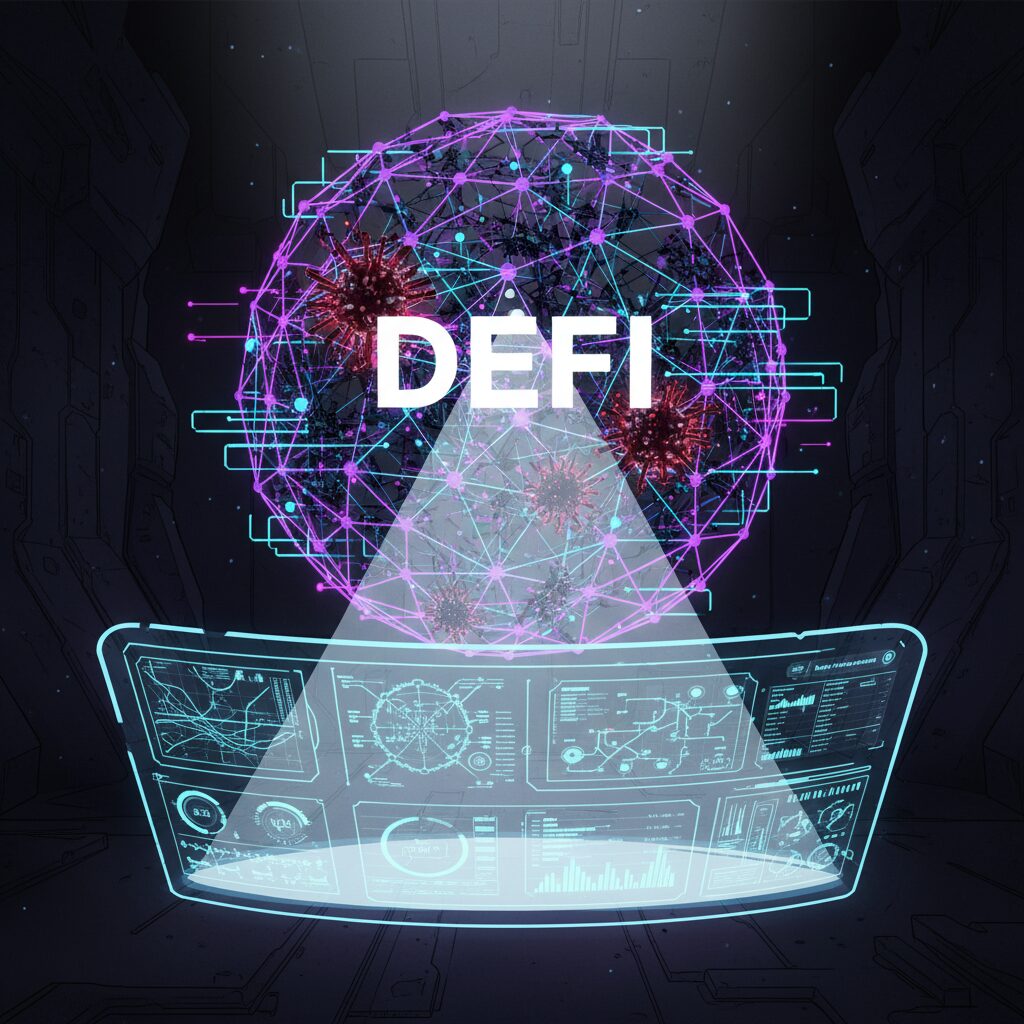
As technology advances, the cryptocurrency sector is closely watching the development of artificial intelligence (AI) and quantum computing. Quantum computing, in particular, poses a significant future challenge to the cryptographic foundations of the Decentralized Finance (DeFi) ecosystem. As this technology becomes more accessible, it could empower malicious actors to exploit vulnerabilities in existing security, targeting user wallets and exchanges.
While the immediate danger to major blockchains like Bitcoin or Ethereum is a subject of debate, many experts believe that legacy hot wallets and their seed phrase-based security are especially vulnerable. This emerging threat highlights the need for crypto users to be aware of new risks to their digital assets and identities. The problem is compounded by DeFi’s ongoing reliance on centralized infrastructure, as demonstrated by past outages of services like Amazon Web Services (AWS) that left many decentralized applications inaccessible.
Building a Quantum-Resistant Ecosystem
In response to these potential challenges, a project named BMIC is developing a blockchain ecosystem designed for a post-quantum world. The platform is focused on creating a suite of tools to protect users from the next generation of technological threats.
BMIC’s core offerings include a quantum-resistant wallet, a service model dubbed Quantum Security as a Service (QSaaS), and a quantum-resistant staking mechanism. Through these components, the project aims to provide users with hidden signatures and secure asset storage. It also plans to integrate AI orchestration and decentralized computing tools to help users maintain a competitive edge in a trustless environment.
The Role of the BMIC Token
The BMIC token is central to the project’s ecosystem, serving as the primary mechanism for payments and network access. Users will need the token to unlock full wallet capabilities and to pay for compute workloads. The network’s security is further enhanced through token staking, which allows participants to earn a variable yield from its quantum-secure validators.
The project’s token economics incorporate a “burn-to-compute” system and revenue-driven buybacks to create value for token holders beyond simple governance rights. According to its official documents, the token distribution allocates 50% of the total supply to a public presale, which included a third phase that launched on December 1. The remaining supply is divided among investors (10%), incentives and liquidity (22%), ecosystem reserves and marketing (15%), and core contributors (3%).
Related Posts



Balancer Protocol Hit by $128M Exploit, Forcing Berachain to Halt Network

American Bitcoin Stock Tumbles 40% as Early Investor Lockup Expires

Subscribe to us and get the latest crypto news